
Mid-century furniture holds a special place in the hearts of design enthusiasts, embodying innovation and avant-garde concepts that have stood the test of time. Originating in the post-war era, mid-century designers drew inspiration from international influences and modernist principles to create furniture characterized by clean lines, honest construction, and sculptural forms. With the advent of new technologies and materials, they crafted pieces that combined comfort with abstraction, setting a timeless standard in interior design.

Grant Featherston, an Australian designer, made a significant mark with his iconic Contour Series, conceptualizing ‘contour comfort’ in furniture design. His innovative approach to creating chairs that mirrored the human body’s form set him apart in the mid-century furniture landscape. Featherston’s Stem and Obo chairs, along with the Numero series, showcased his versatility and ability to meet evolving consumer demands.

Charles and Ray Eames, a dynamic duo in the design world, revolutionized furniture with their affordable yet high-quality pieces. Their emphasis on functionality and practicality led to the creation of chairs using various materials like moulded plywood and fibreglass-reinforced plastic. The Eames’ commitment to blending utility with aesthetics resulted in enduring designs that continue to grace modern homes.

Edward Wormley, an American designer, brought a sense of understated warmth and timelessness to mid-century furniture. His collaboration with DUNBAR propelled him into the spotlight, where he seamlessly integrated European and Scandinavian influences into his designs. Wormley’s approachable and mainstream creations resonated with a wide audience, cementing his legacy in the world of furniture design.

Fred Lowen, known for his accessible and hand-crafted furniture, ventured into the mid-century scene with a focus on modernism. His partnership with Ernest Rodeck under Fler birthed designs that embodied Scandinavian style and craftsmanship. Transitioning to Tessa, Lowen continued to produce heritage pieces that reflected his commitment to quality and design integrity.
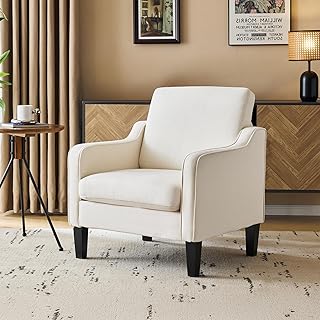
Florence Knoll’s enduring legacy lies in her holistic approach to design, encompassing architecture, interior design, and furniture. Embracing the ethos of ‘total design,’ Knoll created pieces that harmonized with their surroundings, showcasing her creative ingenuity in a resource-constrained era. Her signature quilted sofas and chairs remain iconic symbols of mid-century design.

Ludwig Mies van der Rohe, a German-born architect turned furniture designer, epitomized the ‘less is more’ ethos in his creations. Renowned for the Barcelona Chair, Mies van der Rohe’s minimalist designs emphasized the beauty of simplicity and functionality. His architectural background lent a unique perspective to his furniture, blending steel and leather in timeless pieces.
Paul Kafka, an immigrant to Australia, brought a fresh perspective to mid-century furniture with his bespoke creations. Drawing on his European design roots, Kafka’s craftsmanship and attention to detail set him apart in a post-war design landscape. His dedication to quality and European standards resonated with a diverse clientele, establishing him as a prominent figure in mid-century furniture.
Marcel Breuer’s iconic Wassily Chair exemplified his penchant for deconstructing traditional designs to their essential elements. By reimagining the ‘club chair,’ Breuer introduced a stripped-back aesthetic that celebrated the marriage of art and industry. His innovative approach earned accolades, solidifying his position as a pioneer in mid-century furniture design.
Eero Saarinen, known for his sculptural and functional designs, crafted furniture that seamlessly blended form and comfort. Collaborating with Charles Eames, Saarinen’s Womb Chair showcased his mastery of creating unique, cocoon-like seating experiences. His revolutionary tulip table and chairs further exemplified his ability to marry aesthetics with practicality, leaving a lasting impact on mid-century furniture.
These visionary designers and brands continue to shape contemporary interior trends, their contributions serving as timeless inspirations for modern-day creatives and design enthusiasts.
📰 Related Articles
- Vintage Furniture Trends: Timeless Charm for Modern Interiors
- Vibrant Summer Fashion Trends 2025: Meet Rising Women Designers
- Tween Fashion Trends Shift with Social Media Influence
- Timeless Beauty: 10 Iconic Products Defying Trends and Fads
- The Influence of Heidi Klum’s Lingerie Style on Fashion Trends