
Old toys and vintage items from discount stores can harbor toxic lead, posing a significant risk, especially to children who are prone to touching and putting objects in their mouths. Jennifer Poupard’s experience with a vintage military trunk purchased at a flea market in Michigan exemplifies this danger.

Initially bought for storing CDs, the trunk became a versatile piece in Poupard’s life, serving various functions over the years. However, when her son, Wallace, was born, his blood lead levels started rising, leading Poupard to suspect the trunk as the source of contamination.

Wallace’s elevated lead levels, detected through routine screenings, raised concerns about the vintage products’ safety, as they often predate current regulations on toxic substances. Lead paint, commonly found in items over 40 years old, can go unnoticed by buyers, unaware of the health risks associated with these antiquities.

Dr. Denise Hooks-Anderson, a family physician, highlights the misconception that only high lead levels are harmful. Studies have shown that leaded items, including those purchased from thrift stores and antique shops, can exceed federal safety standards, posing a significant health hazard.
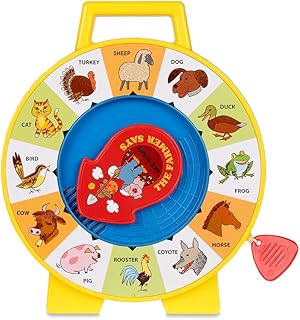
Tamara Rubin, an advocate for consumer safety, has been instrumental in educating the public about lead hazards in household items. Her work, including providing lead testing swabs, has helped families like Poupard’s identify lead contamination in their homes.

Concerns about the accuracy of lead testing methods aside, the prevalence of lead in vintage items underscores the need for awareness and caution when dealing with older products. Dr. Kandace Fisher-McLean emphasizes the risks associated with vintage materials, urging vigilance, especially when it comes to children’s exposure.

While antique stores and flea markets may offer a treasure trove of vintage items, the potential lead hazards they pose cannot be overlooked. The sale of lead-containing products, both old and new, underscores the importance of stricter regulations and consumer awareness.
Campaigns for healthier solutions advocate for reduced lead levels in discount store products, urging retailers to demand lead-free alternatives from manufacturers. However, the progress in eliminating lead from consumer goods remains a work in progress.
Despite efforts to address lead exposure, the burden often falls on marginalized communities, where the environmental and health impacts of lead contamination are more pronounced. The disposal of lead-contaminated items can further exacerbate environmental risks, particularly in lower-income neighborhoods.
As the discussion on lead exposure continues, the need for comprehensive strategies to mitigate risks associated with vintage items and discount store products becomes increasingly urgent. By raising awareness, advocating for stricter regulations, and promoting safer alternatives, the fight against lead exposure can protect vulnerable populations and safeguard public health.
📰 Related Articles
- Hidden Dangers: Lead Poisoning Risks in Vintage Consumer Goods
- Expert Warns: Improper Chia Seed Consumption Poses Health Risks
- Teen Skincare Trends on TikTok Pose Hidden Health Risks
- Study Reveals Risks of Music Compression on Hearing Health
- Study Reveals Health Risks in Australian Plant-Based Foods