
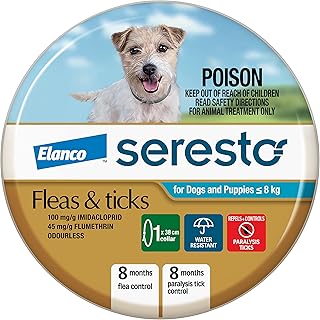
The global market for flea, tick, and heartworm products is poised for significant growth, with forecasts indicating a potential market value of USD 10.9 billion by 2030. This surge is being driven by the introduction of innovative products designed to effectively combat parasitic complications in cats and dogs. One notable example is the flea and tick control collars, such as the Seresto collar by Elanco, which have gained popularity for their efficacy in repelling infestations. However, other players like Neogen Corporation are also entering the market with novel approaches to infestation control, as seen with the launch of the Provecta collar in 2024.
The market landscape is evolving with the emergence of injectable products that offer prolonged protection against fleas and ticks. Merck Animal Health’s Bravecto Quantum, for instance, received approval in Australia for providing over a year of protection. These developments underscore the industry’s commitment to developing advanced solutions to address the prevention and treatment of flea, tick, and heartworm complications in animals effectively.
A significant driver of the market demand is the escalating prevalence of flea and tick infestations in animals globally. Studies have highlighted high infestation rates in various regions, such as Ethiopia, India, and Iran, emphasizing the urgent need for effective products to combat these parasites. The rising awareness of the importance of preventive care in managing flea, tick, and heartworm issues further propels market growth.
The market is segmented based on product types, with treatment products dominating the revenue share in 2023. Among these, spot-on products lead the market due to their accessibility and effectiveness. Prescription products also hold a significant market share, reflecting the preference for veterinarian-recommended treatments. Dogs constitute the primary segment for flea, tick, and heartworm products, given their susceptibility to these complications and the availability of diverse preventive options.
Topical applications are favored for their advantages over oral medications, especially in cases where systemic absorption is a concern. The market also sees a strong demand for products targeting external parasites like fleas and ticks. Preventive care solutions are driving market growth, with veterinarians and animal welfare organizations advocating for proactive measures to combat flea, tick, and heartworm complications.
The distribution landscape is witnessing a shift towards online channels, with growing penetration of online pharmacies and the convenience they offer to consumers. North America leads the market share, driven by the increasing pet ownership rates and the corresponding rise in demand for flea, tick, and heartworm products. In contrast, the Asia Pacific region is expected to witness significant growth, fueled by the high incidence of vector-borne infections in dogs and cats.
In conclusion, the flea, tick, and heartworm products market is undergoing rapid expansion, driven by the demand for innovative solutions to address parasitic infestations in animals. With a focus on preventive care and the development of advanced treatment options, the industry is poised to capitalize on emerging trends and meet the evolving needs of pet owners and veterinarians worldwide.



📰 Related Articles
- Personal 3D Printers Market Set to Reach $5.44 Billion by 2030
- Ultrasound Probe Cover Market Set to Reach USD 410.98 Million by 2034
- Travel Accessories Market Set to Reach US$ 92.91 Billion by 2032: Report Insights
- Tea-based Skincare Market Booms, Set to Reach $3.8B by 2035
- Sustainable Shift: Glycol Monostearate Market Set to Reach USD 3,913.7 Million by 2035