
When it comes to creating an inviting living space, blending modern and antique furniture can add depth and character that transcends time. The mix of old and new pieces can be inspired by various factors, such as the architectural style of your home, cherished family heirlooms, or unique flea market finds.
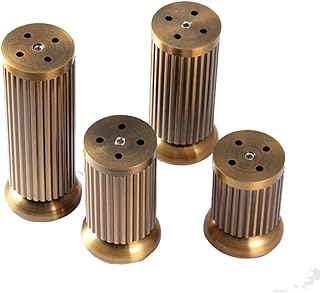
Interior designers emphasize the importance of striking a balance between antique and modern pieces in a way that feels cohesive yet intriguing. Erin Williamson, an expert in design, suggests spreading out antique elements throughout the room to maintain a fresh and unexpected vibe. Consider the scale of each piece to ensure a harmonious layout that doesn’t feel overwhelming.

When integrating antique furniture into a modern setting, it’s essential to evaluate both form and function. Antique pieces often boast intricate craftsmanship and unique details that can complement sleek modern designs. Lisa Gilmore, a seasoned designer, recommends mixing streamlined and curved elements to achieve a visually appealing blend of styles.

While preserving the original charm of antique furniture is desirable, repurposing and refinishing can breathe new life into dated pieces. Whether it’s revamping an old dining table or reupholstering a vintage chair, modernizing antiques can enhance their appeal while retaining their vintage allure. Updating upholstery fabrics and refreshing structural elements can seamlessly blend the old with the new.

Creating a cohesive look when mixing modern and antique furniture can be achieved through a unified color palette. By painting thrift store finds or antique pieces in complementary hues, you can tie together disparate styles and eras effortlessly. Harmonizing colors across different pieces can help maintain visual continuity in a space filled with diverse design elements.

To make a bold statement in a modern room, consider incorporating a striking antique focal point. Large-scale pieces like vintage armoires, ornate headboards, or unique coffee tables can serve as eye-catching centerpieces that infuse character and drama into contemporary spaces. Such statement pieces can add depth and visual interest to an otherwise minimalist room.
For those looking to introduce antique elements gradually, focusing on accent pieces can be a practical approach. Small furniture items like end tables, stools, or decorative mirrors can add a touch of vintage charm without overpowering the space. Layering antique rugs and lighting fixtures can also create a warm and inviting ambiance in any room.
Ultimately, the key to successfully blending modern and antique furniture lies in personal preference and creativity. Whether you aim to create a layered look with a mix of styles or add a touch of vintage flair to a modern setting, the seamless integration of old and new pieces can elevate the aesthetic appeal of any interior.
📰 Related Articles
- Expert Tips: Keep Patio Furniture Clean for Summer Entertaining
- Expert Tips: Cleaning Outdoor Furniture for Longevity and Durability
- Expert Tips for Navigating Brimfield Antique Flea Market
- Winton Races: Expert Tips and Selections for Exciting Day
- Troubleshooting Brother MFC-L8900CDW Printer Printing Issues: Expert Tips