Flea markets are treasure troves of history, and nothing captures the essence of craftsmanship and ingenuity quite like antique tools. These timeworn implements tell stories of their own, reflecting the skills, needs, and innovations of those who came before us. Whether you’re a seasoned collector, a curious shopper, or a vendor looking to add unique items to your repertoire, antique tools can be an exciting and rewarding find. Let’s dive into the world of antique tools and explore how to appreciate and acquire these fascinating pieces.

The Allure of Antique Tools
Antique tools are more than just old metal and wood; they are artifacts that showcase the evolution of craftsmanship and technology. From vintage hand saws to intricate woodworking planes, each tool carries with it a narrative of its use and the hands that wielded it. Collectors often seek out these pieces not only for their aesthetic value but also for the history they represent. With the rise of DIY culture and a renewed appreciation for handmade items, antique tools are making a comeback among artisans and hobbyists alike.

What to Look For
If you’re venturing into the realm of antique tools, here are some tips on what to look for while shopping at flea markets:
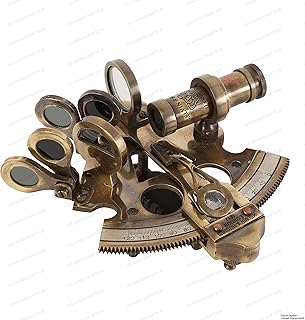
- Condition: Examine the tool closely. While some wear and tear is expected, tools should still be functional if you plan to use them. Look for rust, cracks, or excessive damage.
- Branding: Many antique tools have identifying marks or names stamped on them. Brands like Stanley, Craftsman, or even local makers can add value and interest to your collection.
- Age: Familiarize yourself with the different eras of tool production. Tools made before the 1950s are often considered antiques. Understanding the timeline can help you identify true antiques versus vintage items.
- Functionality: Consider whether you want tools for display or for actual use. Some collectors prefer pristine items that tell a story, while others seek tools they can incorporate into their own projects.
- Unique Features: Look for tools with unusual designs or features, as these can be conversation starters and may hold greater value.
Where to Find Antique Tools
Flea markets are an excellent place to hunt for antique tools, but not all markets are created equal. Here are some tips on where to maximize your chances of finding these gems:

- Local Flea Markets: Check out community flea markets where vendors often bring their unique finds. Local markets may have hidden treasures that larger ones overlook.
- Antique Shows: Consider attending antique shows or specialized tool fairs. These events often attract knowledgeable sellers and collectors, offering you a chance to learn more about the tools you’re interested in.
- Online Marketplaces: If you can’t find what you’re looking for locally, consider browsing online platforms that specialize in antique tools. Websites like eBay or Etsy can provide a broader selection.
Negotiating the Best Price
When you spot an antique tool you can’t live without, don’t shy away from negotiating. Here are some negotiation tips to keep in mind:
- Do Your Research: Before you head to the flea market, familiarize yourself with the average prices of the tools you’re interested in. This knowledge will empower you during negotiations.
- Be Respectful: Always approach negotiations with courtesy. Respect the vendor’s expertise and be open to their perspective on pricing.
- Bundle Deals: If you find multiple tools from the same vendor, ask if they can offer a discount for buying in bulk. Vendors are often willing to negotiate on larger purchases.
Preserving Your Antique Tools
Once you’ve acquired some antique tools, it’s important to take proper care of them to preserve their history. Here are a few tips for maintenance:

- Cleaning: Gently clean your tools with a soft brush and mild soap. Avoid harsh chemicals that can damage the materials.
- Storage: Store your tools in a dry, cool place to prevent rust and deterioration. Consider using padded storage or display cases to protect them.
- Regular Checks: Periodically check on your tools to ensure they remain in good condition. Address any signs of rust or damage promptly to keep them in pristine shape.
Join the Hunt for Antique Tools
Embarking on the journey of collecting antique tools can be incredibly fulfilling. Not only do you gain unique pieces for your collection, but you also connect with history and craftsmanship. So grab your shopping bags and head to your local flea market! You never know what hidden treasures await you. Happy hunting!